

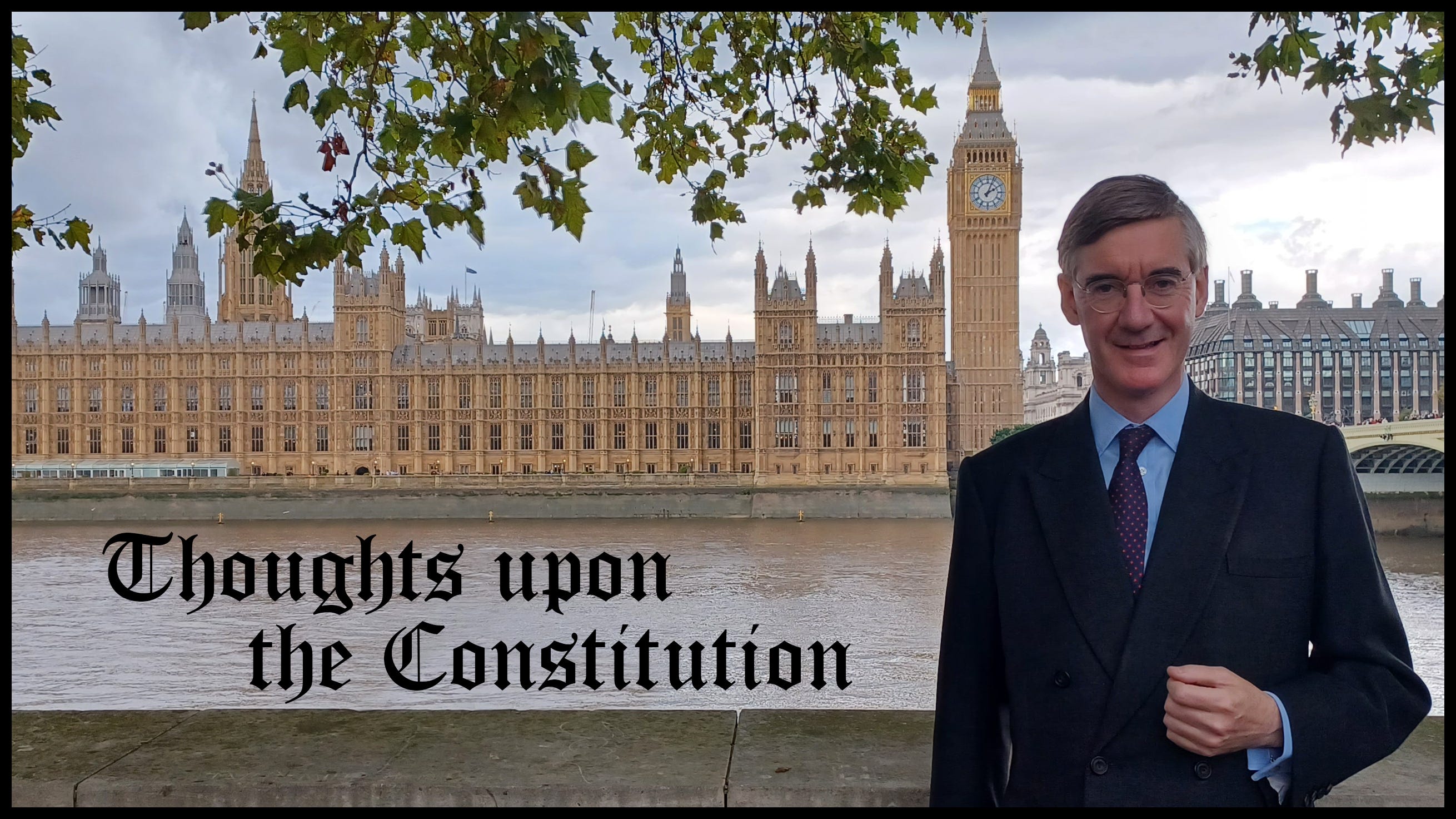
The Mandelson affair is unquestionably one of the great scandals of political history. It will be remembered as Profumo and Marconi from the 20th century, and makes Cakegate seem unbearably trivial.
I expect it will lead to the end of Sir Keir Starmer’s career, possibly even before this article is published, so I thought it might be interesting to discuss the constitutional powers of a prime minister who is at immediate risk of losing office. This was an issue when Boris Johnson went, possibly when Margaret Thatcher did, and it is worth understanding now.
It is relevant because Prime Ministers who are on the verge of losing office try to defend their position by threatening an election that many backbenchers fear will lead to the loss of their seats. Apparently, Starmer’s allies are currently doing this and, although I think it ought to be the convention, as yet it is not a settled constitutional view.
The basic position of a constitutional monarchy is summed up in Charles II’s riposte to Rochester’s quip, “Here lies our Sovereign Lord, the King, whose word no man relied on; who never said a foolish thing, nor ever did a wise one”. Charles replied that was because “my words were my own, but my actions were the actions of my ministers”. This applies even more to his successor, Charles III, whose words, for example, at the State Opening of Parliament, are not his own, they are his minister’s.
The role of the King is to accept what might be called ‘Advice’ from his Prime Minister. He has the right to be consulted, to encourage and to warn, but when that has been done, he must put his prerogative at the disposal of the Prime Minister of the day; he has no real discretion.
This makes it appear as if the King serves no constitutional purpose, but that is not true. Although formal advice must be accepted as a general rule, advice that the King might feel he ought not to accept will simply not be given.
The royal prerogative is still a major part of the legal system. It covers a range of issues, from minor appointments to dissolving Parliament and declaring war. The question here is, can a Prime Minister, who looks as if he is about to be removed by his own party, advise the King to dissolve Parliament first?


