

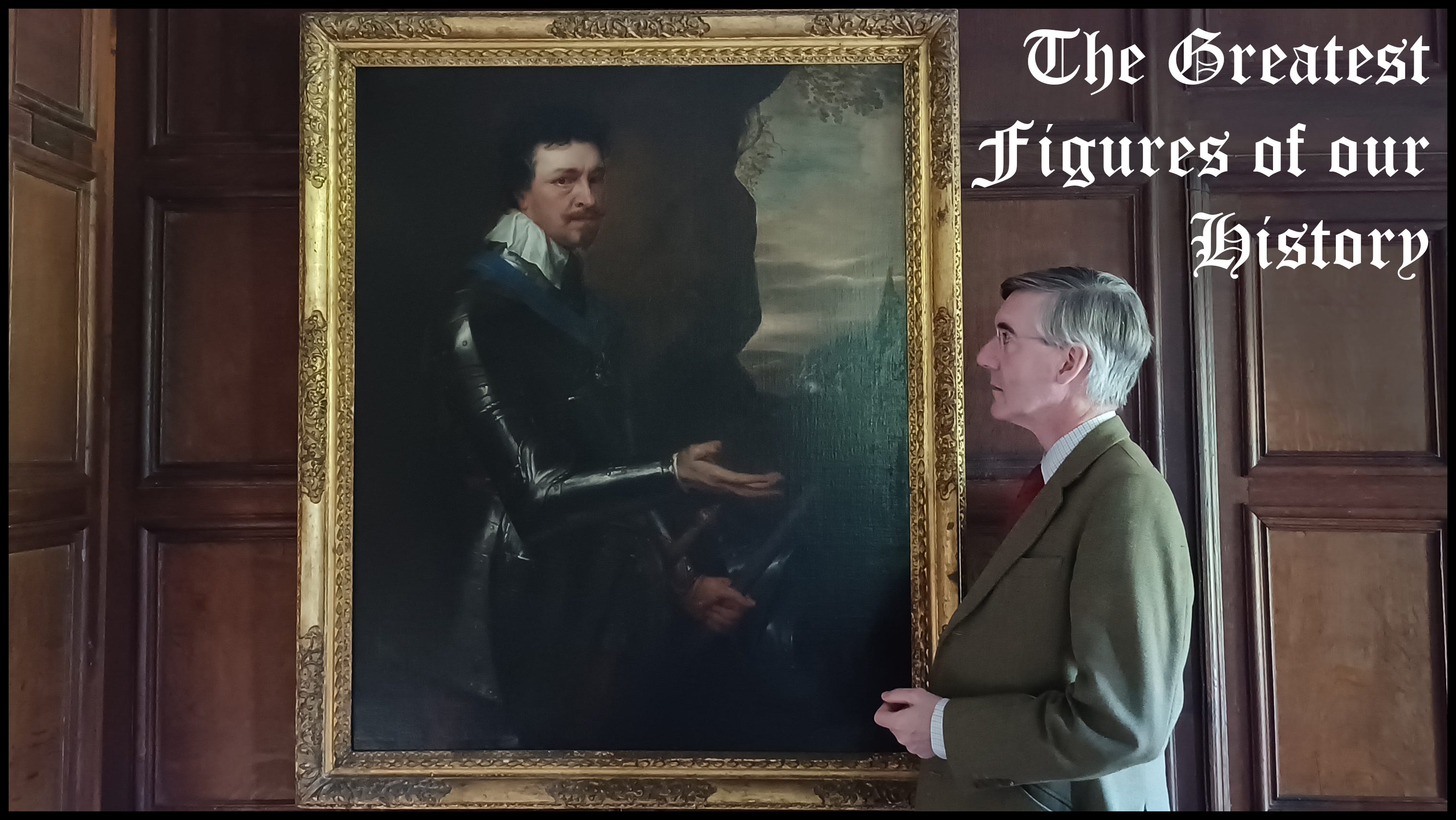
St. John Fisher was martyred two weeks before St Thomas More, on 22nd June 1535, and each year that day is now set aside to commemorate these two saints. In the Sarum Rite used by the Catholic Church at that time, it was the feast of St. Alban, the proto-martyr of England. The two men went to their deaths for the same fault in the eyes of Henry VIII. But while More is widely celebrated, Fisher has been broadly forgotten, yet his martyrdom was equally worthy.
Fisher was born around 1459. The argument for this early date is that the portrait of him by Holbein puts his age at 74, and cannot have been painted while he was in the Tower of London, so an age at death of 76 seems probable. He was the son of Robert and Agnes, who seem to have been fairly prosperous, and was born in Beverley in Yorkshire. He certainly showed in his life the gritty determination associated with that county.
Fisher was primarily a scholar and cleric, but via Henry VII’s mother, Margaret Beaufort, he came to national prominence. He greatly admired Margaret and was her spiritual adviser from 1497, when he was appointed her confessor, until her death shortly after Henry VIII’s succession to the throne.
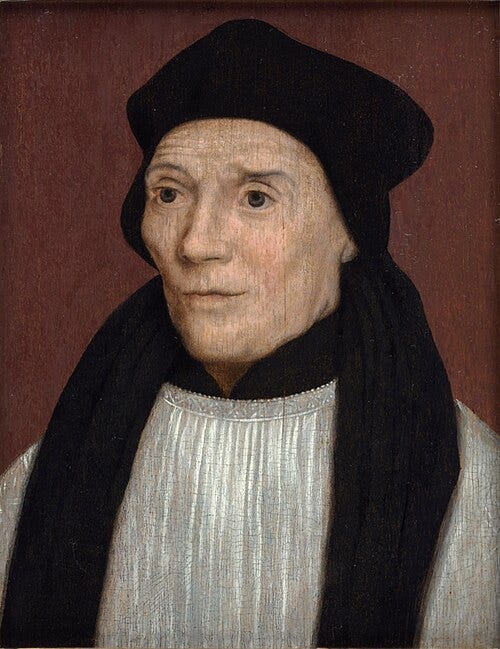
It was through her influence that Henry VII promoted him in 1504 to be Bishop of Rochester, one of the poorest bishoprics, and he did so after seeking Margaret’s permission. Henry wrote to his mother, saying that he did not wish to offend her by appointing her confessor, but he did so because he had had heard of Fisher’s “great and singular virtue… especially his good and virtuous living and conversation”.
That Fisher lived virtuously was borne out after his imprisonment in the Tower, when the king’s men raided his living quarters. The only items of value they found were plate for liturgical use and books which they wantonly destroyed. In great excitement they found a locked box in his private oratory, which they took away to open in front of witnesses, expecting to find much treasure within. All they found were a hair shirt and three scourges which Fisher used to purify himself. When informed of this, Fisher said he would have removed them had he not left in such a hurry, for he did not want his piety to be a matter of pride.
As well as being Margaret’s spiritual adviser, Fisher was a senior figure at Cambridge in 1494, when he was the Senior Proctor, becoming Master of Michaelhouse in 1497, and Vice-Chancellor in 1491. At this time, Cambridge was going through one of its phases of listlessness, with little learning and no money. Fisher helped change both of these conditions.


