

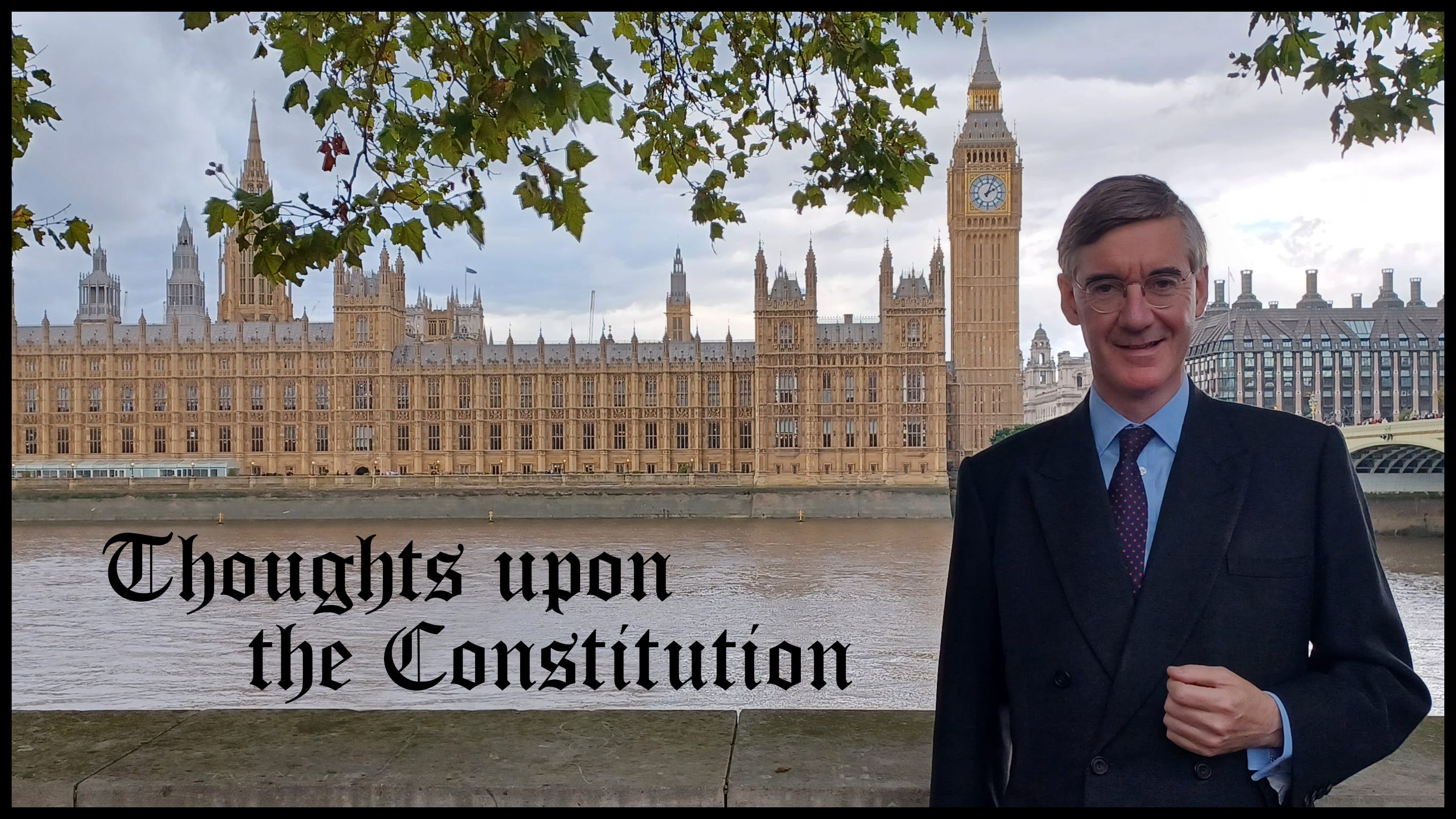
Almost every proposed change to the voting system is carried out with the intention of improving the prospects of the party that introduces the change. The Tories favour overseas voting and voter identification, while Labour wants to lower the voting age and encourage postal voting. The Lib Dems, since they lost power, have been great advocates for proportional representation, but when last in majority government, they opposed it.
The latest battleground is compulsory voting, which some think tanks close to Andy Burnham advocate.
It is not, in principle, wrong to ask citizens to carry out certain actions that are needed for the good of the state as a whole. In both world wars, it was accepted not only that men could be conscripted into the armed forces, but that labour could be directed by the authority of the state. Similarly, one of the great jewels of the constitutional settlement, trial by jury, is dependent upon compulsory attendance by citizens who have not volunteered and are chosen effectively by lot.
Are these comparable to voting? Conscription for war is not. It has only been done in the case of dire necessity, although national service continued for a few years after the Second World War had ended. Failure to vote does not threaten the stability of the nation.
It is more akin to jury service, when the needs of the community are placed above those of the individual in a very specific context. Jurors are required so that justice may both be done and be seen to be done, maintaining confidence in the system and preventing an overmighty state from taking people’s liberty, without a chance to show their innocence to an independent group. As with voting, it requires a decision to be made, and simply not wanting to turn up is not a valid excuse for avoiding the service.


